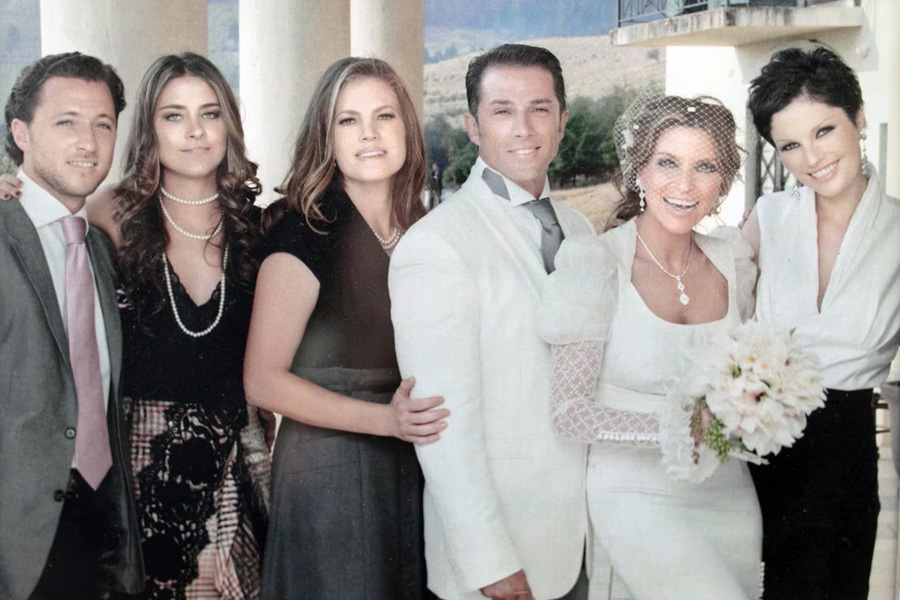
Family Portrait
I write about families as ecosystems, and this one is a dense thicket of relations and loyalties. The household into which she was born folded step ties and blood ties together. A model became a stepmother to children from an earlier life. An established businessman later joined the family and the branches multiplied. Within that weave she grew into a public actor of a quieter sort. She is family and also not defined only by it. She built a lane away from entertainment and toward service. The names above are not merely roster entries. They are cast members in the story of how a private person became a public organizer.
Early Bonds and Blended Roots
She arrived into a blended family where shifting tables and shared meals taught negotiation and care. Early years meant negotiating attention, learning how to be both daughter and stepdaughter, sister and half sister. Those relations shaped her sense of responsibility. Where others might inherit spotlight, she inherited obligation, and obligation slowly became vocation. Marriage in 2003 marked a public moment in the family calendar, a point on the timeline where social life and private commitment intersected.
A Life for Animals
I have watched her focus sharpen on a different kind of family, the four legged one that populates city streets and back yards. She moved into animal welfare not as a celebrity project but as a methodical practice. She organized sterilization clinics that treated more than one hundred animals in a weekend. She coordinated rescues that sometimes involved triple digit numbers of pets removed from unsafe conditions. Those operations required permits, transport logistics, medical triage, volunteer coordination, and a rotating list of foster homes.
She kept records. Numbers matter to her. On any given weekend clinic she expected to register 80 to 120 animals. She planned for contagion control. She scheduled teams in shifts of six to eight volunteers. Her work is a ledger of small mercies and statistical impact.
Career and Community Achievements
A civic CV describes her public service. Organizer, coordinator, and head of an animal protection group. Success is assessed by results. Sterilizations lower births. Rescues save lives. Educational programs change neighborhood behavior. She has consistently translated public compassion into operational outcomes.
Her approach is methodical. She organizes scores of volunteers. She bargains with municipalities for clinic space. She organizes mobile units to sterilize 50 animals in a day. She coordinates donor campaigns, veterinarian recruitment, and supplies. Work requires administrative rigor and emotional endurance. She turns fury into action.
Timeline of Public Milestones
| Year | Event |
|---|---|
| 2003 | Public wedding ceremony, marked as a notable family event. |
| 2016 | Large scale rescue operation reported, involving over 120 small dogs. |
| 2018 | Family profiles reiterating blended household ties and roles. |
| 2020 | Family retrospectives following the passing of a family patriarch. |
| 2021 to 2024 | Ongoing sterilization drives, rescue coordination, volunteer training sessions. |
These dates are waypoints, not destinations. They show a continuity that moves from private events to public service and back.
Recent Presence and Public Voice
Her public personas serve purpose. She gives radio interviews, attends municipal forums, and promotes action items on social media. Posts are not fan-oriented. They include foster home requests, supply lists, and mobile clinic calendars. She uses public attention like a torch to highlight a task rather than a stage to garner applause.
Press mentions of her are rare but pointed. She appears when operations need a spokesman or rescues need publicity to recruit fosters. She has little social media followers. Engagement matters. Helpful comments, adoption queries, and beneficiary thankfulness are common.
The Texture of Relationships
Family plays its roles in her life as both scaffold and backdrop. She navigates attention and privacy with care. At family gatherings she is kin. At clinics she becomes leader. Those two roles coexist. They do not nullify each other. Instead they create contrast that clarifies motive. From the family table she learned how to coordinate. From rescue work she learned how to hold grief and still act.
Numbers, Logistics and the Quiet Grind
I pay attention to numbers because they reveal scale. A typical sterilization weekend can include:
- 80 to 120 animals processed.
- 6 to 10 volunteer veterinarians involved.
- 30 to 60 volunteer support staff.
- 200 to 400 pieces of donated medical supply consumed.
Those are the metrics of impact. The daily grind is a sequence of phone calls, spreadsheets, delivery checklists, and late night messages from volunteers in crisis. The glamour is absent. The results persist.
FAQ
Who in the extended family is the well known actor and how is she related to him?
The actor is part of the blended household into which she grew. He is a half brother by family ties through marriage and earlier unions that formed the extended family. Their connection is familial and public, but their professional lives chart separate courses.
What is the name of the association she leads?
She is associated with a nonprofit civil association focused on animal welfare. Her role is operational and administrative. Her title is that of leader and coordinator of community campaigns that include sterilization and rescue.
Has she led any large scale rescue operations?
Yes. One documented operation in 2016 involved more than 120 small dogs rescued from an illegal breeding situation. The animals needed medical attention and rehabilitation. Multiple volunteers and agencies were involved in the recovery.
Are there public financial records about her personal wealth or business holdings?
Public accounts emphasize civic work over commercial ventures. There are no public narratives that position her as a commercial entrepreneur with public filings under her name. Her public capital is community trust and organizational capacity.
How did family background shape her public work?
Growing up in a blended and visible household gave her access to networks and taught her how to manage people. She took that social competence and redirected it toward service. Family visibility made it easier to attract attention when necessary. Her personal choice was to channel visibility into organizing and into the steady, logistical labor that saves lives.
How Contractors Become The First Call In Their Service Area
How Massachusetts Drivers Can Stay Ahead Of Vehicle Repossession
Building Search Visibility Without Chasing Magic Tricks
Giving Your Fleet Trucks A Second Chance With Refurbished Ecms