When I first encountered the story of Morris John Lurie, I saw a man whose life resembled a sturdy foundation stone. Hidden beneath layers of later success and public spotlight, it supported an entire structure without seeking attention. Born on June 12, 1917, in Newark, New Jersey, to Joseph and Flora Lurie, immigrants who built a new existence in America, Morris grew up amid the rhythms of early 20th century Jewish family life. He enlisted in the United States Army in October 1941 as a private in the engineers. He emerged from World War II without injury, though he later described the experience as awful in family recollections. Those years forged resilience in him. Resilience that would define his too short time on earth.
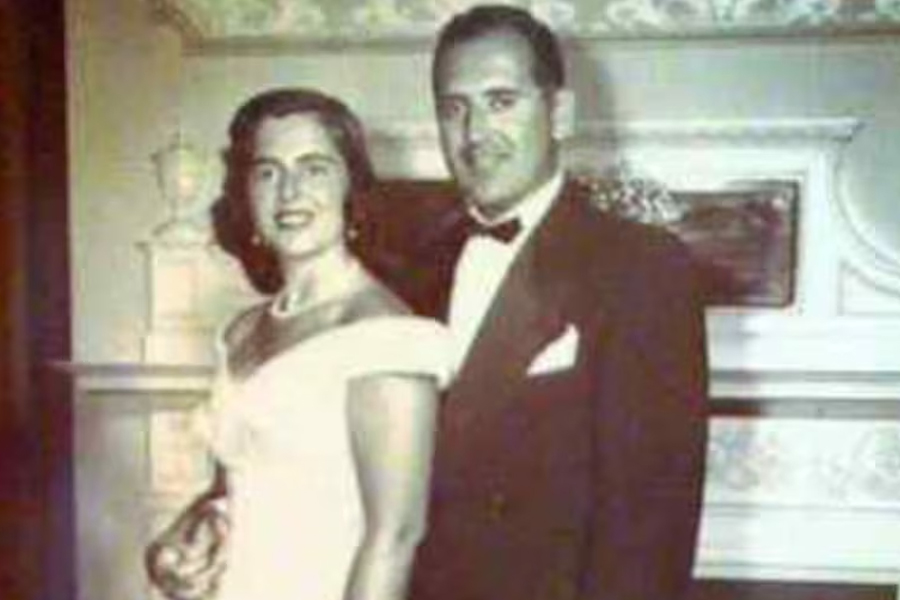
After the war, Morris worked as a salesman for a textile company. He met Nancy Smith, daughter of entrepreneur Philip Smith, who had expanded from drive in movie theaters into restaurants, bowling alleys, and shopping mall cinemas. Their marriage in the late 1940s marked the start of a partnership rooted in shared values. The couple settled in the Boston area. By the 1950s, Morris had joined the family business efforts. Around 1959, he helped develop a chain of fast food restaurants, one even named in honor of his firstborn son. The household thrived in a handsome brick colonial at 1585 Commonwealth Avenue in West Newton, Massachusetts. This address became the center of their world, a place of laughter, routines, and the small rituals that bind families.
I picture those evenings vividly. Upstairs in the family home, a black and white television flickered with football games. Morris, a devoted New York Giants fan from his Newark roots, sat with young Jeffrey. The boy, born September 8, 1951, absorbed every play. On December 28, 1958, they watched the NFL championship. The Baltimore Colts faced the Giants in a sudden death overtime thriller that ended 23 to 17. Jeffrey later recalled how that game hooked him forever on the sport. Another memory stands out. September 9, 1960, brought the first American Football League game for the Boston Patriots against the Denver Broncos. The Patriots lost 13 to 10, yet the excitement lingered. Sports served as their language, a bridge of joy and focus.
Three children filled the home. Jeffrey arrived first in 1951. Peter followed, and Cathy completed the trio. Life brought challenges early. Peter received an autism diagnosis around age three in the mid 1950s, when Jeffrey was about six. The condition was little understood then. Morris broke down during a lunch in Manhattan with his sister Esther Blumstein at the Park Lane restaurant, expressing the shock. Esther, who lived into her 100s and kept photos of her handsome brother, described him as wonderful and good. She commuted from New York to help Nancy during hospital stays. The living room sometimes turned into a makeshift care space as Morris’s health wavered.
Morris faced kidney cancer. A golf injury led to hospital observations in Boston. He spent long periods in and out of treatment. He worried about the children. He wondered what would come next. On April 14, 1961, at age 43, he passed away. Jeffrey, then nine, returned from school to find the house surrounded by cars. His mother delivered the news upstairs. Four months later, grandfather Philip Smith also died. The dual losses hit hard. Yet the family endured. Nancy raised the children with strength. She later became Nancy Lurie Marks and founded the Nancy Lurie Marks Family Foundation in 1977. The foundation supported autism research and services, including the Lurie Center for Autism at Massachusetts General Hospital in 2009. It also honored Morris through endowments at Dana Farber Cancer Institute. A research fund, conference room, and biomedical library bear connections to his memory.
Jeffrey channeled grief into sports. His mother allowed him to skip school for NFL draft days as a teenager, treating them like holidays. He played tennis and baseball but preferred watching. Boston teams became his escape and lifeline. He kept his father alive through fandom. As an adult, Jeffrey visits the grave at Temple Israel Cemetery in a quiet suburb north of Boston each year. The site sits next to a small lake with a paved trail. Three towering pine trees shade a modest square limestone marker inscribed Beloved husband and father. Morris John Lurie. June 12, 1917 to April 14, 1961. Jeffrey kneels. He whispers updates about Nancy, his younger brother and sister, his second wife Tina whom he married in 2013, and his own children. He speaks of the Philadelphia Eagles, which he purchased in 1994 for 195 million dollars. He assures his father that he walks through life as Nancy and Morry’s son, staying humble. Tears often come before he finishes the first update. He misses him that much.
The siblings form a tight circle. Peter, after years of limited communication, gained tools around age 37 in 1992 through facilitated communication. He expressed love for Jeffrey and reflected on the isolation after losing their father. Cathy remains part of the close family network, though public details stay limited. Grandchildren through Jeffrey include Milena Caitlin, born in 1993 and now a filmmaker in New York, and Julian, born in 1995, who holds an operational role with the Eagles organization at the NovaCare Complex. These young lives extend the thread Morris started.
Morris maintained ties with his own siblings. Esther remembered him as handsome with a knowing smile, full of gusto for life. He passed that smartness, humor, and appreciation to Jeffrey. The family practiced cultural Judaism without strict religious observance after certain incidents. Jeffrey has noted that organized religion can sometimes divide people. He prefers seeing everyone as humans who should get along.
To organize the key milestones clearly, here is a table of important dates in Morris John Lurie’s life and family legacy.
| Year | Event | Details |
|---|---|---|
| 1917 | Birth | June 12 in Newark, New Jersey |
| 1941 | Military Service | Enlists in Army engineers in October |
| Late 1940s | Marriage | Weds Nancy Smith after World War II |
| 1951 | First Child Born | Jeffrey Robert on September 8 in Boston |
| Mid 1950s | Peter’s Autism Diagnosis | Around age three for Peter, Jeffrey about six |
| 1958 | Shared NFL Championship Viewing | December 28 Giants vs Colts game |
| 1959 | Business Development | Helps launch fast food chain named after Jeffrey |
| 1960 | AFL Game Memory | September 9 Patriots debut |
| 1961 | Death | April 14 from kidney cancer at age 43 |
| 1977 | Nancy Founds Foundation | Nancy Lurie Marks Family Foundation for autism |
| 1994 | Jeffrey Buys Eagles | For 195 million dollars |
| 2009 | Lurie Center Established | At Massachusetts General Hospital |
| Annual | Grave Visits by Jeffrey | Updates on family, Eagles, and life |
I always wonder how Morris’s Giants passion led to Jeffrey’s rival team ownership. Jeffrey led the Eagles to two Super Bowl championships in 2018 and 2025. Personal conversation continues at the grave. Unnamed players. Excitement for the company and humility. With regret at losses, Satchel and Wrigley are mentioned. These details humanize the tale. They make dates and numbers real.
Power remains at the West Newton residence. Jeffrey points to the upper window where father and son played games and bonded. The brick colonial symbolizes constancy in change. The family mourned Morris while preserving Jewish traditions. Jeffrey’s bar mitzvah story involves smuggling a transistor radio to listen to Red Sox games. The rabbi gently chastised him, but his mother understood.
The Morris siblings added layers. Esther remembered his goodness with stories. She regarded his death a major blow that formed Jeffrey. The immigrant family’s focus on assistance was strengthened by brother relationships, whether Erwin or others. Family stories provide lesser-known details. Morris voiced concern for the sick youngsters. His breakdown over Peter’s diagnosis showed his vulnerability. These glances reflect a man who loved deeply despite temporal constraints.
Grandchildren add to the story. Jeffrey produced seven films in Hollywood, and Milena Caitlin does the same. Julian works closely with Eagles operations, keeping the family connected to the game that bonded grandfather and father. Nancy’s generosity respects history. The Dana Farber cancer research fund and conference room honor Morris. Peter’s experiences inspired the foundation’s autism work, turning early hardship into success.
The whole picture shows Morris John Lurie as a quiet patriarch whose family, resilience, and subtle achievement continue to inspire generations. He served, sold, played sports, and loved for 43 years. His absence at nine for Jeffrey was a trigger, not a shadow. Sports provide joy and continuity. Philanthropy improved suffering. Modern Eagles and foundation activities reflect that anchor.
FAQ
Who was Morris John Lurie?
Morris John Lurie was an American entrepreneur born on June 12, 1917, in Newark, New Jersey. He married Nancy Smith and raised three children in West Newton, Massachusetts, before his death on April 14, 1961, from kidney cancer at age 43.
What was Morris John Lurie’s career like?
He worked as a textile salesman after World War II and joined family business efforts tied to his father in law Philip Smith’s ventures. Around 1959, he contributed to developing a fast food restaurant chain named after his son Jeffrey.
How many children did Morris John Lurie have?
He and Nancy had three children: Jeffrey born in 1951, Peter, and Cathy. Peter received an autism diagnosis in the mid 1950s, which later inspired Nancy’s foundation work.
How did Morris John Lurie’s death affect his family?
Jeffrey was nine years old and turned to sports as a coping mechanism and way to honor his father. Nancy raised the children alone and later established a major philanthropy foundation. The family maintained close bonds, with Jeffrey visiting the grave annually to share updates.
What is known about Morris John Lurie’s grandchildren?
Through Jeffrey, the grandchildren are Milena Caitlin born in 1993, a filmmaker, and Julian born in 1995, who works in an official capacity with the Philadelphia Eagles.
Where is Morris John Lurie buried?
He rests at Temple Israel Cemetery in a quiet suburb north of Boston, near a small lake with a paved trail, under three pine trees. The modest marker notes him as beloved husband and father with exact birth and death dates.
Did Morris John Lurie have involvement with General Cinema?
Some accounts link him to the theater chain founded by his father in law Philip Smith. He supported business growth in related areas like restaurants and sales, though primary operations stayed with the Smith family side.