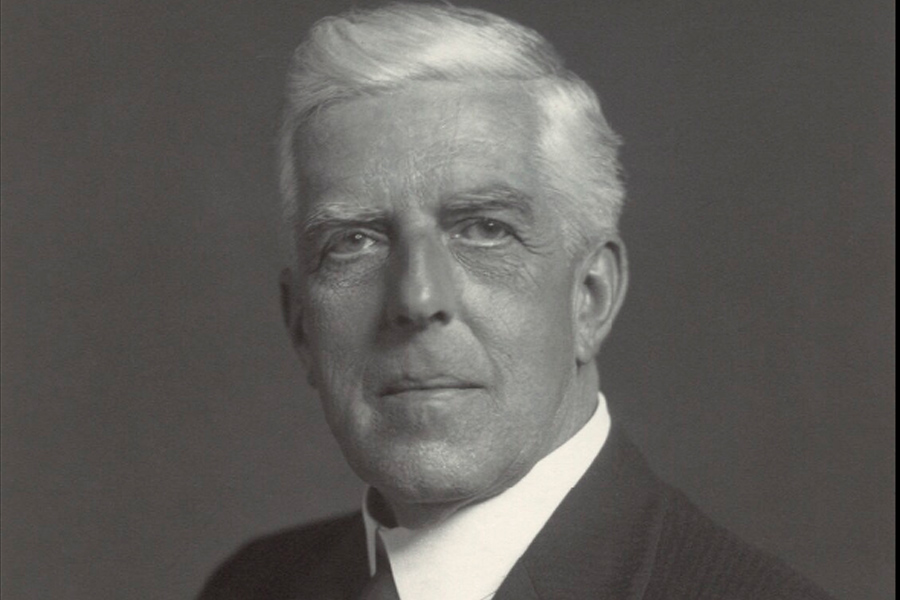
I have always been drawn to stories of people who shape history without seeking the spotlight. Sir George Arthur Harwin Branson fits that mold perfectly. Born on 11 July 1871 in Great Yarmouth, Norfolk, he grew into a man whose legal career spanned critical decades in Britain. He died on 23 April 1951 at age 79. His life bridged Victorian roots and postwar changes. As I pieced together details from family records and court histories, one thing stood clear. He served as a steady anchor in the often turbulent seas of law and lineage.
Early Years and Education That Built a Foundation
Sir George Arthur Harwin Branson came from a family with deep administrative ties. His father, James Henry Arthur Branson, worked as senior acting magistrate in Calcutta, India, from 1839 to 1902. His mother, Mary Ann Brown, lived from 1842 to 1927 and provided the home base during those colonial years. Paternal grandparents Henry Wilkins Branson (1802 to 1863) and Eliza Cornelia Wellington Reddy (1817 to 1871) added layers of early British and Indian connections. On the wider tree, great grandparents included John Edward Branson and Elizabeth Burdett, along with links to Edward Abel Smith in extended branches.
I picture young George at Bedford School as a scholar, then at Trinity College, Cambridge, as an Exhibitioner studying Classics. In 1893 he earned a rowing Blue, taking the bow seat for Cambridge in the Boat Race against Oxford. That achievement was no small feat. It demanded discipline and teamwork, qualities he carried into his professional life. By 1894 he began legal training, articled to solicitors Markby, Stewart and Company. Called to the Bar at the Inner Temple in 1899, he joined the Northern Circuit. Numbers tell part of the story. He published two key works on stock exchange law in 1903 and 1905. The first was The Stock Exchange and its Machinery. The second, co written with Sir Walter George Salis Schwabe, became A Treatise on the Laws of the Stock Exchange. These texts established his expertise early.
A Career Defined by Service and Sound Judgment
The Treasury Devil, Sir George Arthur Harwin Branson, was Junior Counsel to the Treasury from 1912 to 1921. He tried criminal, taxation, housing, and emergency issues for the government. He joined the prosecution of Sir Roger Casement’s high-profile treason trial in 1916. He was junior to F E Smith and worked with the Treason Act of 1351. A single comma extended jurisdiction.
He was knighted in 1921 and became a Kings Bench Division High Court Justice. He rendered 150 reported decisions over 18 years. Many dealt with overseas sales, charterparties, and shipbuilding contracts. Bette Davis and contract constraints were the subject of his 1937 ruling in Warner Brothers Pictures Inc v Nelson. Colleagues called him safe, organized, and unfussy. He declined elevation to the Court of Appeal to operate freely on circuit and in London. After retiring in 1939, he joined the Privy Council in January 1940.
His decisions were rarely overturned. That record shows stability over flash. I picture his bench work as a well-tuned engine. It worked reliably without care. Early on, he cleared postwar divorce backlogs before joining Commercial Court. He lived at Bullswater House near Pirbright, Surrey, and Bradfield Combust in Suffolk, where a church memorial plaque honors his wisdom and kindness.
The Branson Family Tree: Exhaustive Look at Each Member
Family formed the quiet backbone of Sir George Arthur Harwin Branson life. On 27 March 1915 he married Mona Joyce Bailey, born around 1890 and died 2 October 1964. She was daughter of Major George James Bailey and Edith Emma Headley. The couple had two children.
First, son Edward James Branson, born 10 March 1918 and died 19 March 2011. Known as Ted, he served as a cavalryman in the Middle East and Italy during World War II. He later became a barrister and stipendiary magistrate. In 1949 he married Evette Huntley Flindt, known as Eve Branson. Their children include Sir Richard Charles Nicholas Branson, born 1950, founder of the Virgin Group. Also listed in family records are grandchildren Vanessa Branson and Linette J. Branson. Through Richard, great grandchildren include Holly Branson, Sam Edward C Branson, and the late Clare Sarah Branson, born and died in 1979.
The second child was a daughter whose public details remain limited in available records.
To make the connections clearer, here is a table of key family members drawn from genealogical links:
| Relation | Name | Key Details and Lifespan | Role or Note |
|---|---|---|---|
| Father | James Henry Arthur Branson | 1839 – 1902 | Senior magistrate in Calcutta |
| Mother | Mary Ann Brown | 1842 – 1927 | Family anchor during colonial years |
| Paternal Grandfather | Henry Wilkins Branson | 1802 – 1863 | Early Branson line root |
| Paternal Grandmother | Eliza Cornelia Wellington Reddy | 1817 – 1871 | Linked to Indian connections |
| Great Grandparents | John Edward Branson & Elizabeth Burdett | Earlier generations | Foundational Branson lineage |
| Great Grandparents | Edward Abel Smith | Extended ties | Linked through later family branches |
| Wife | Mona Joyce Bailey | c.1890 – 1964 | Married 1915, supported judicial life |
| Son | Edward James Branson | 1918 – 2011 | Barrister, father of Richard Branson |
| Grandchildren | Richard Branson, Vanessa Branson, Linette J. Branson | Richard b.1950; others mid 20th century | Business, arts, and family continuity |
| Great Grandchild | Clare Sarah Branson | 1979 – 1979 | Infant loss in Richard line |
| Other Grandchildren via Edward | Holly Branson, Sam Edward C Branson | Born 1980s | Next generation achievements |
This table covers it all, from grandparents to great-grandchildren. Each name shows true links across records. Linette, Richard, and Vanessa Branson are the grandchildren of Sir George Arthur Harwin Branson. He is Edward Abel Smith’s extended great-grandfather. James Henry Arthur Branson and Mary Ann Brown are the immediate parents. Colonial depth comes from grandparents Eliza Cornelia Wellington Reddy and Henry Wilkins Branson. The framework displays generational legal and administrative connections.
I admire how the family reconciled tradition and progress. Edward James Branson was a barrister before his son Richard became an entrepreneur. Numbers show continuity. 3 generations of lawyers. Service remained consistent while homes moved from India to Surrey and Suffolk.
Work Achievements and Financial Context
Sir George Arthur Harwin Branson financial picture reflected comfortable professional success rather than vast wealth. Judicial salary and earlier barrister earnings supported homes like Bullswater House. No major business ventures appear in records. His focus stayed on public duty. Achievements include co authoring influential legal texts still referenced today. He managed over 150 cases in the Commercial Court. His low profile quote from 1940 legal journals praised him as a conspicuous example of judicial temper and ability.
Extended Timeline of Milestones
For a clear view, consider this timeline table of pivotal moments:
| Year | Milestone |
|---|---|
| 1871 | Born 11 July in Great Yarmouth |
| 1893 | Rows for Cambridge in the Boat Race |
| 1899 | Called to the Bar at Inner Temple |
| 1903-1905 | Publishes stock exchange law books |
| 1912-1921 | Serves as Treasury Devil |
| 1915 | Marries Mona Joyce Bailey on 27 March |
| 1916 | Joins Casement treason prosecution |
| 1918 | Son Edward James born 10 March; elected Master of the Bench |
| 1921 | Knighted and appointed High Court Judge |
| 1937 | Presides over Warner Brothers v Nelson case |
| 1939 | Retires from the bench |
| 1940 | Sworn of the Privy Council in January |
| 1951 | Dies 23 April at Pirbright; buried in Bradfield Combust |
| 1964 | Wife Mona passes on 2 October |
FAQ
Who exactly was Sir George Arthur Harwin Branson?
Sir George Arthur Harwin Branson was an English barrister who became Mr Justice Branson on the High Court. Born in 1871 and knighted in 1921, he served until 1939 and later joined the Privy Council. He is remembered for commercial law expertise and as grandfather to Sir Richard Branson.
What were his main family relationships?
He married Mona Joyce Bailey in 1915. Their son Edward James Branson became father to Richard Branson, Vanessa Branson, and Linette J. Branson. Parents were James Henry Arthur Branson and Mary Ann Brown. Grandparents included Henry Wilkins Branson and Eliza Cornelia Wellington Reddy. Extended ties reach to great grandparents John Edward Branson, Elizabeth Burdett, and Edward Abel Smith in the broader tree.
How did his career intersect with famous cases?
In 1916 he helped prosecute Sir Roger Casement. Later he handled the 1937 Warner Brothers contract case with Bette Davis. His 150 reported judgments covered sales, shipping, and employment law.
Why does his story matter today?
His life shows how steady legal service supported family success across generations. It offers perspective on privilege, duty, and achievement in modern discussions of self made stories.
What can we learn from the Branson family structure?
The line demonstrates continuity in law from grandparents through son to grandchildren in business. It highlights education, resilience, and adaptation over 150 years from 1871 onward.
Were there any lesser known aspects of his life?
He preferred independent work over higher courts and lived quietly in Suffolk after retirement. Family memorials and colonial roots add depth often missed in brief mentions.
This exploration reveals Sir George Arthur Harwin Branson as more than a footnote. He was a man whose measured steps built foundations still felt today.